The inclusion of sharing incident reports across numerous authorities and on a non-anonymised basis in the Regulatory Technical Standards (RTS) on the classification of information and communication technology (ICT) incidents will cause significant concerns for financial entities. Incident reports constitute confidential security information for financial entities, possibly including technical details concerning an entity’s IT infrastructure and information concerning its vulnerabilities. Sharing this level of sensitive information across numerous authorities and on a non-anonymised basis creates a material cybersecurity risk for financial entities and will likely become a target for malicious actors. This requirement should not be included within the RTS. Rather, incident reports should only be shared on a need-to-know basis and anonymised in all circumstances. Moreover, financial entities should be informed of any other authorities that receive an incident report.
Letter on the regulatory technical standards on the classification of ICT incidents under DORA
Related items
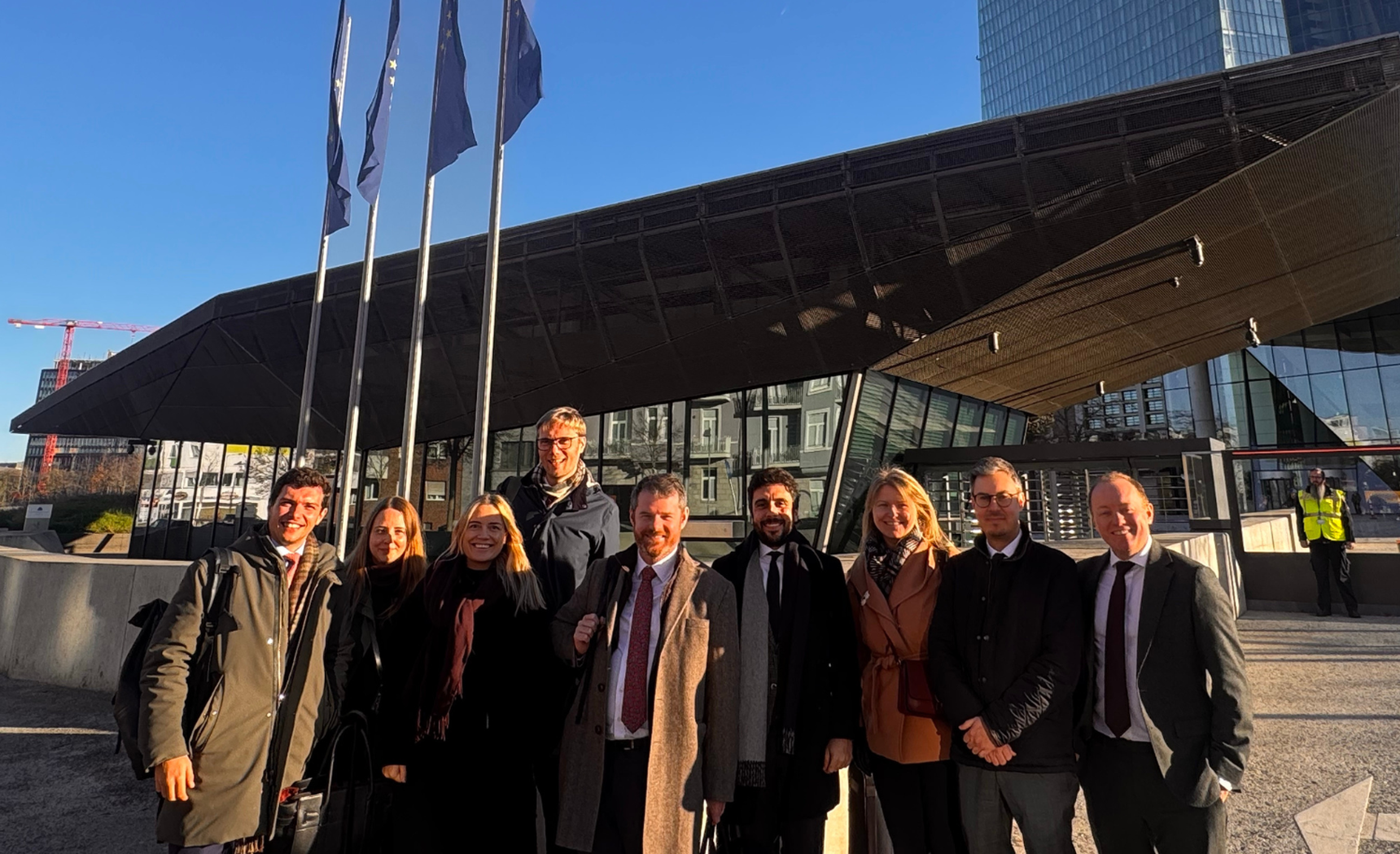
Advancing Europe’s financial competitiveness in Frankfurt and Strasbourg
From Monday, 23 to Wednesday, 25 November, AmCham EU travelled to Frankfurt, Germany and Strasbourg, France to engage with policymakers on the future of Europe’s financial sector. In Frankfurt, members met with representatives from the Deutsche Bundesbank, the European Central Bank and the US Consulate General to Frankfurt, Germany. Discussions focused on regulatory simplification, banking competitiveness, innovation in payments and transatlantic cooperation.
The delegation then travelled to the European Parliament in Strasbourg, where exchanges with Members of the European Parliament (MEPs) and political group advisers centred on the Market Integration and Supervision Package, the digital euro and banking sector competitiveness package. Throughout the visit, members emphasised the need to deepen European financial markets through integration, ensure proportionate regulation and supervision and maintaining an ambitious Savings and Investment Union that keeps Europe’s financial markets open to global capital and supports long-term investment.
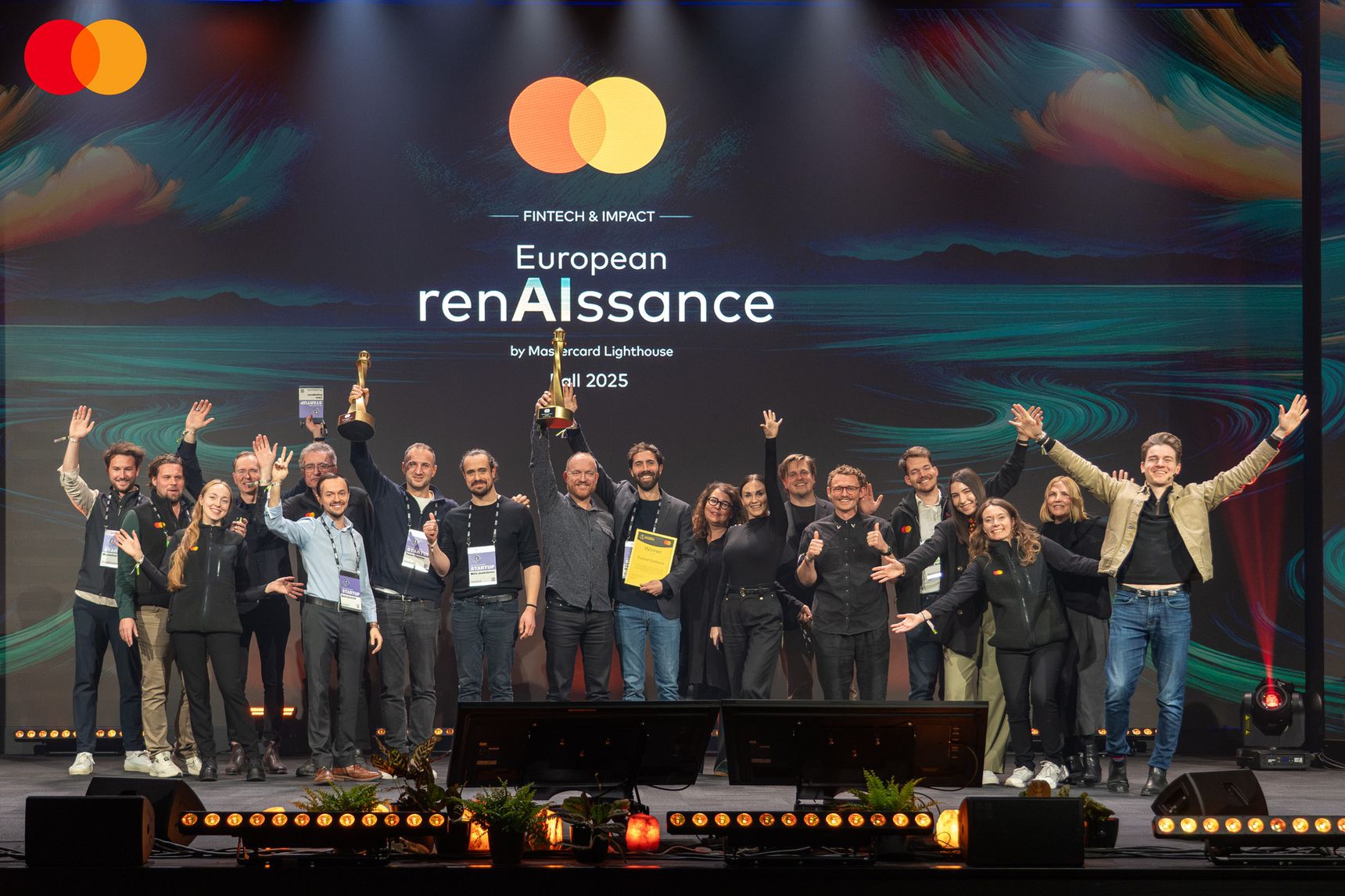
Shining a light on Europe’s startups
A great business idea is only the starting point. To scale across Europe, startups need access to funding, expertise and networks. Through its Lighthouse programme, Mastercard is helping young companies in the Baltics, the Nordics and, as of 2026, Belgium access these opportunities. The initiative connects entrepreneurs with investors, industry experts and corporate partners to help turn innovative ideas into scalable solutions for Europe. Since 2018, its Lighthouse FINITIV programme alone has facilitated more than 500 partnerships and helped young companies raise over €2 billion. These efforts demonstrate how collaboration between established businesses and startups can strengthen Europe’s innovation ecosystem and competitiveness. Read the full story on Invested in Europe.

Digital euro: getting the final design right
Policy priorities
Insights and advocacy driving Europe’s policy agenda. Our priorities support growth, innovation and a stronger transatlantic economy.
Membership
Connecting business and policymakers to strengthen the voice of American companies in Europe.